

UDDER CARE & HYGIENE
Udder health is the cornerstone of milk quality. Proper teat sanitation and mastitis prevention programs protect both animal health and product quality. Step Udder Hygiene Protocol Step 1: Pre-Milking Preparation Forestrip first milk to check for abnormalities. This removes bacteria-rich first milk and allows visual inspection for mastitis signs. Step 2: Pre-Milking Teat Disinfection Apply pre-dip sanitizer to kill bacteria on teat skin. Use 30-second contact time minimum. Reduces bacteria by 99%+ before milk collection. Step 3: Thorough Drying Use individual paper towels or clean cloths to dry each teat. Never share towels between cows. Dry teats prevent bacteria transfer. Step 4: Prompt Milking Attach milking unit within 90 seconds of stimulation. This maximizes milk letdown and minimizes teat-end exposure time. Step 5: Post-Milking Teat Dip Immediately after cluster removal, apply post-dip to seal teat canal and prevent bacterial entry. Use emollient-enriched formula to condition teat skin. Product Solutions: • Pre-Milking Teat Dip - Chlorine-based, 99.9% bacterial reduction • Post-Milking Barrier Dip - Iodine with glycerin and lanolin • Chlorhexidine Teat Spray - Long-lasting protection • Therapeutic Teat Ointment - Repairs damaged skin • ATP Verification Testing - Confirms protocol effectiveness

INTRODUCTION TO DAIRY HYGIENE
Excellence in dairy farming requires the highest standards of hygiene and biosecurity. Every aspect of your operation—from udder health to hoof care, from milking parlors to feed storage—directly impacts milk quality, animal welfare, and farm profitability. Key Benefits of Comprehensive Hygiene Programs: • 99.9% bacterial reduction in milk • 30% longer milk shelf life • 25% reduction in mastitis cases • Improved animal comfort and welfare • Full regulatory compliance

BIOSECURITY & DISEASE CONTROL
Biosecurity is your farm's first line of defense against infectious diseases. Effective measures reduce disease entry risks by up to 90%, protecting your investment and ensuring sustainable dairy production. The 6 Layers of Biosecurity Defense: Layer 1: Perimeter Security & Access Control Secure fencing, controlled entry gates, visitor logs, limited access roads, wildlife exclusion measures. Layer 2: Vehicle & Equipment Disinfection Vehicle wash stations, high-pressure cleaning, disinfectant spray systems, dedicated farm vehicles. Layer 3: Personnel Hygiene Protocols Hand washing stations, boot disinfection, farm-specific clothing, no same-day farm visits, health screening. Layer 4: Animal Movement Controls Quarantine facilities (21-30 days), health testing, vaccination verification, documented records. Layer 5: Environmental Sanitation Regular facility disinfection, proper manure management, pest control, water quality testing, feed storage hygiene. Layer 6: Monitoring & Rapid Response Daily health observations, temperature screening, milk quality monitoring, immediate isolation, emergency protocols. Biosecurity Products: • Vehicle & Equipment Disinfectants - Heavy-duty alkaline cleaners • Boot Dip Disinfectants - Quaternary ammonium compounds • Hand Hygiene Systems - Antibacterial soap and sanitizers • Facility Disinfectants - Barn and pen sanitizers • Water Treatment - Chlorine dioxide systems
HOOF CARE & LAMENESS PREVENTION
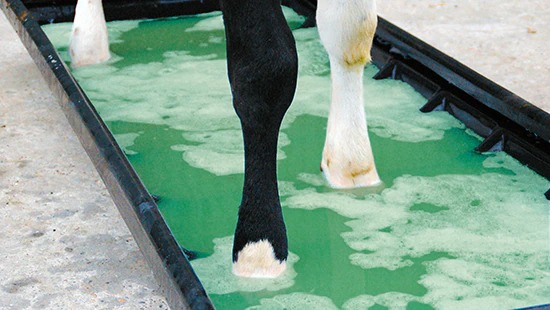
Lameness is one of the most significant welfare and economic challenges in dairy farming. A lame cow produces less milk, has reduced fertility, and faces increased culling risk. Proper hoof hygiene programs can reduce lameness by 60-70%. Common Hoof Diseases: • Digital Dermatitis (Hairy Heel Warts) - Most common infectious cause • Foot Rot - Rapid onset, highly contagious • Sole Ulcers - Long recovery time • White Line Disease - Can progress to deep infection • Interdigital Dermatitis - Predisposes to foot rot • Heel Horn Erosion - Weakens heel structure Footbath Solutions: 1. Copper Sulfate (5-10%) Highly effective for digital dermatitis control. Hardens hoof horn. Long-lasting protection. Cost-effective solution. 2. Zinc Sulfate (5-20%) Best for healing existing lesions. Promotes tissue healing. Less environmental concern. Gentler on hooves. 3. Formalin (3-5%) Preventive maintenance. Hardens hoof horn. Broad antimicrobial action. Use with caution (carcinogenic). 4. Organic Acid Blends Lower environmental impact. Gentle on skin. Effective against bacteria. Pleasant odor. Footbath Protocol: • Bath Length: 10-12 feet (ensures 2-3 immersions per foot) • Solution Depth: 4-6 inches (covers coronary band) • Frequency: 2-4 times per week for prevention • Solution Change: Every 150-200 cows • Pre-wash bath: Clean water to remove debris • Post-bath standing: 20-30 minutes on clean, dry surface

PERSONNEL HYGIENE PROTOCOLS
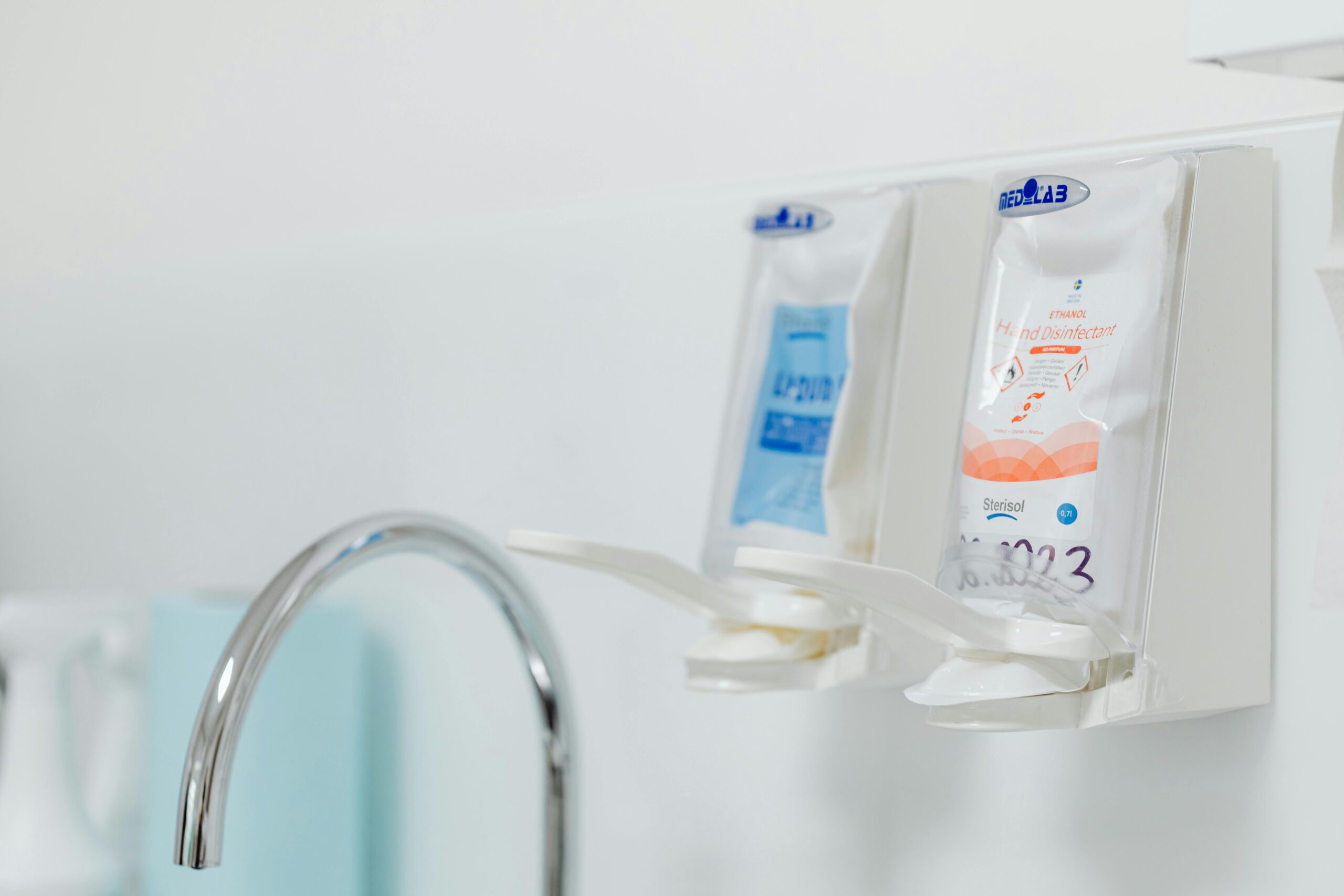
• Hand hygiene stations at all entry points • Boot wash systems • Protective clothing protocols • Staff training programs • Regular hygiene audits

MILKING EQUIPMENT HYGIENE
Clean-In-Place (CIP) Systems: • Alkaline & acid CIP detergents for complete cleaning • Pipeline cleaning systems • Bulk tank sanitization • Biofilm removal solutions • Water quality management
FACILITY SANITATION
• Barn disinfection programs • Calving pen sanitation • Feed bunk cleaning • Water trough maintenance • Bedding area hygiene CONCLUSION Comprehensive hygiene and biosecurity programs are essential investments in dairy farm success. Veteran provides complete solutions including products, training, auditing, and ongoing support to ensure optimal results. Contact Veteran for: • Free hygiene audit and assessment • Customized protocol design • Product selection and implementation • Staff training programs • Ongoing technical support